
Plain-English notes on running a website
Short, practical pieces for business owners: what to do yourself, what to leave to us, and what to watch out for.

Why a managed website beats a one-off build for most small businesses
A website is not a purchase, it is a running service. Here is what goes wrong with the one-off model and why paying monthly usually works out better.

Editing your own website without breaking it
Every site we build comes with a simple editor. Here is what you can safely change yourself, what to leave to us, and a few habits that keep things tidy.

A chatbot for a small business: what it can and cannot do
Chatbots are useful when they are scoped honestly. Here is where they earn their keep, where they embarrass you, and how we build them so they do the former.
What a penetration test is, and when a small business needs one
You do not need a bank's security budget, but you do need to know the basics are right. A short guide to security reviews and pen tests for small websites and shops.

How much should a small business website cost in 2026?
Quotes range from £300 to £30,000 for what sounds like the same thing. Here is what actually drives the price and how to compare offers.

Your website on a phone: what most owners never check
Most of your visitors are on a phone and most owners only ever look at the site on a desktop. Five things to check tonight.

Domain names: who actually owns yours?
A surprising number of businesses do not own their own domain. Here is how to check, and why it matters when you change providers.
SPF, DKIM, DMARC: why your emails land in spam
Three records in your domain settings decide whether your email is trusted. Most small businesses are missing at least one.
The one-page brief: the most useful document in a web project
Before we design anything, we write one page and you sign it. Here is what is on it and why it saves weeks.
Google Business Profile: the free listing you are probably ignoring
For a local business, the map listing often brings more customers than the website. Ten minutes a month keeps it working.

Accessibility is not a nice-to-have
One in five people in the UK has a disability. A site they cannot use is a site that turns away a fifth of its customers.

What a CMS is, and why you should not care which one
Clients ask whether we use WordPress. The honest answer is that the editor matters and the name does not.

Page speed in plain English
A slow site loses visitors before they read a word. What makes sites slow, how to measure yours, and the fixes that matter.

Passwords, two-factor and the admin login
Most small-business website breaches start with a weak admin password. Three habits that close the door.
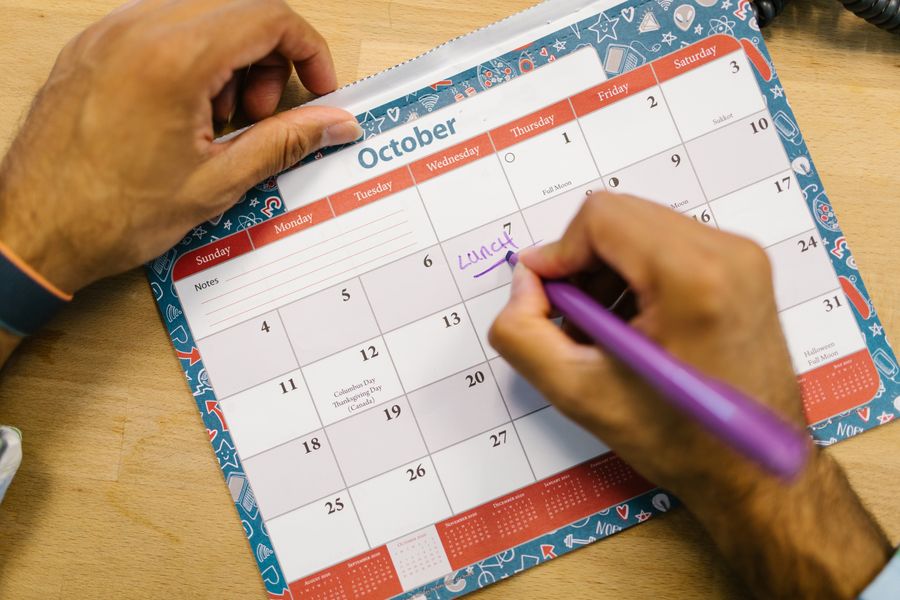
Online booking: what to look for before you pick a system
Booking systems all look the same in the demo. Seven questions that separate the ones that work from the ones that cost you customers.
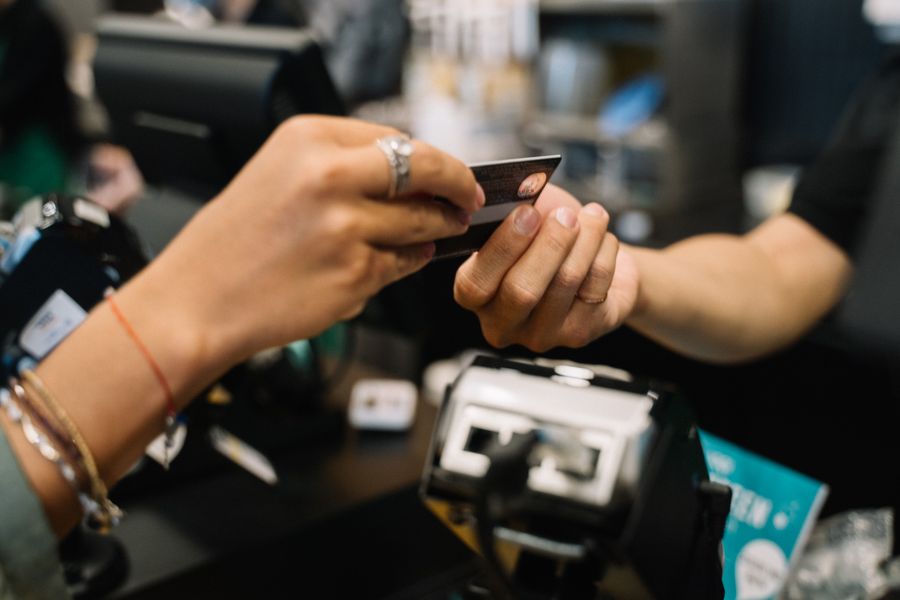
Taking payments online: cards, Direct Debit and what the fees really are
Card, Direct Debit or bank transfer? Which fits which business, and how to read the fee schedule.
Why we build web apps on serverless, and what it means for your bill
Traditional hosting charges you for a server whether anyone uses it or not. Serverless charges for what actually happens.

Photos for your website: a phone is enough, if you do these five things
Stock photos make every business look like every other business. Your own photos, taken well, do the opposite.
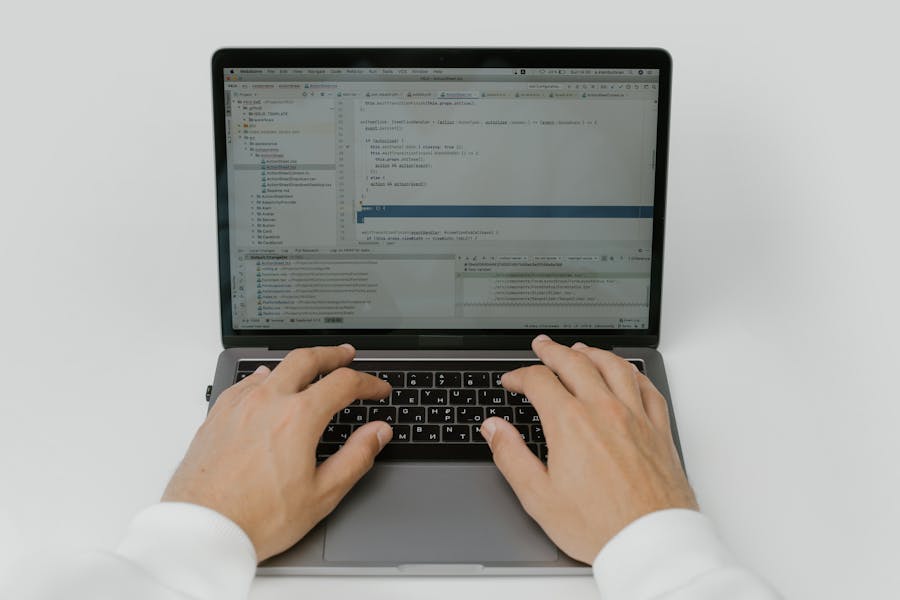
The contact form is where websites quietly fail
Forms break silently. The page looks fine, the visitor sees a thank-you, and the message never arrives. Here is how we make sure yours does.

What happens when you cancel a managed website?
The question people are too polite to ask up front. Here is our answer, in writing.
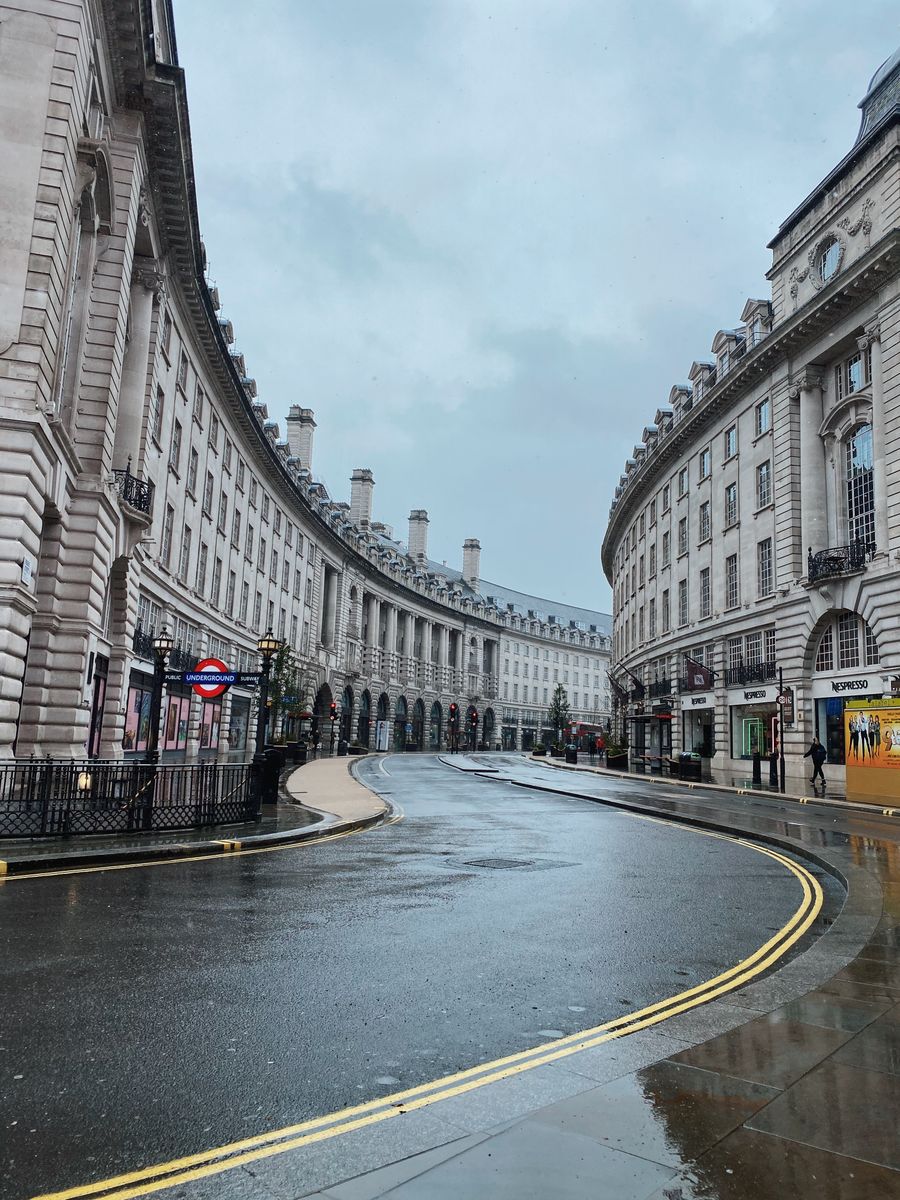
Cambridge small business websites: what we noticed walking round town
We looked up fifty Cambridge businesses we walked past. A few patterns, and what they mean for anyone about to redo their site.
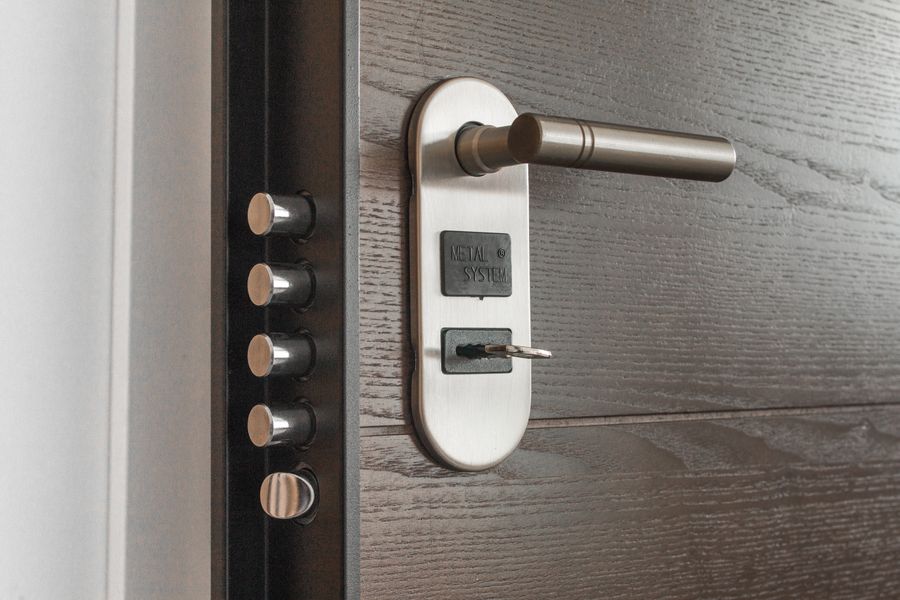
SSL and the padlock: what it does and does not mean
The padlock means the connection is private. It does not mean the site is trustworthy. Both halves matter.
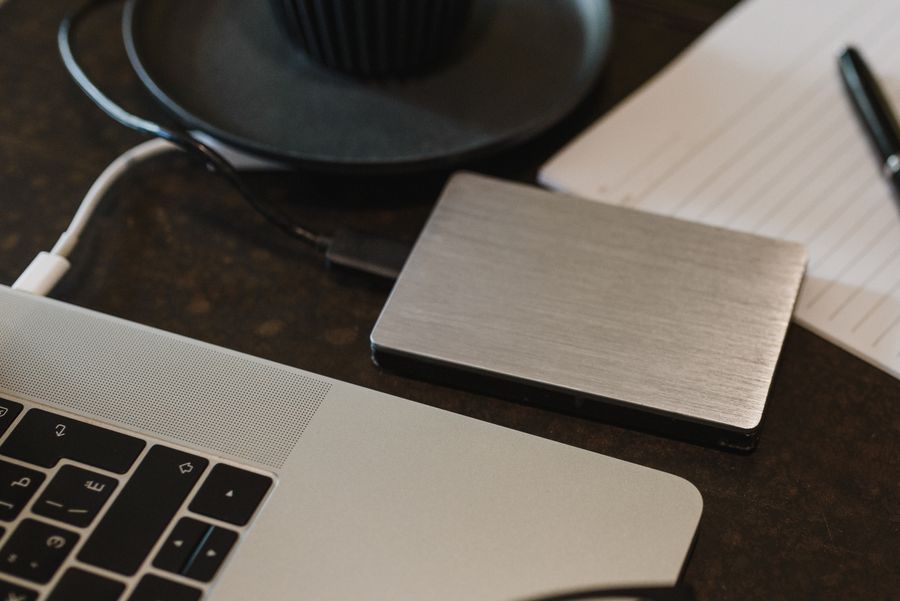
Backups: the one question to ask your web company
"Do you have backups?" always gets a yes. Ask this instead.
Introducing LMJ Web Design
A small Cambridge studio, one monthly plan, and a promise to keep things simple. Here is what we are doing and why.
Ready to get started?
Tell us a little about the business and what the site needs to do. You get a reply within two working days.